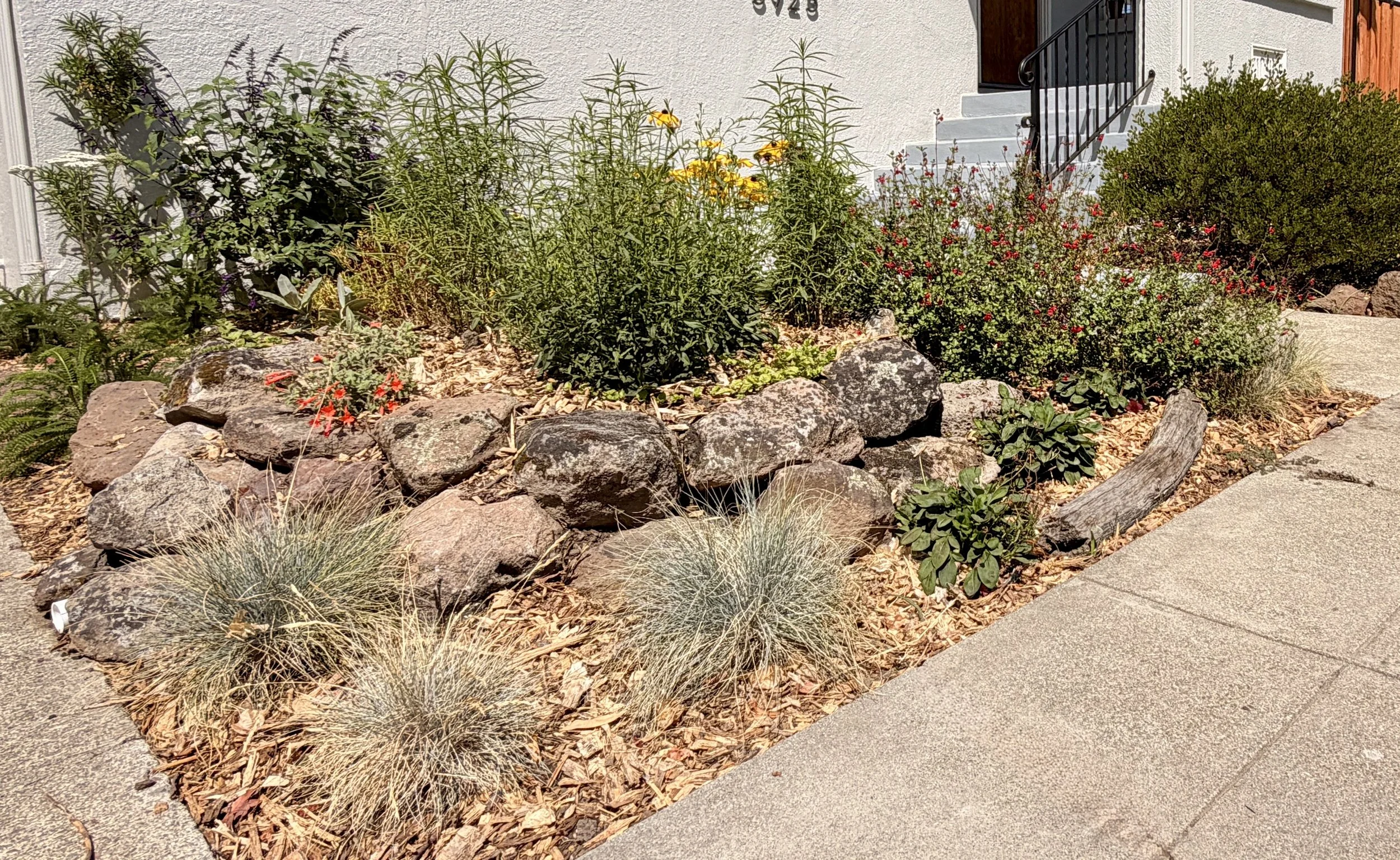
Why Native Plants?
California native plants have evolved alongside the region’s wildlife, soils, seasons, and climate. When thoughtfully selected and arranged, they can create landscapes that are beautiful, functional, and deeply connected to place.
While introduced plants can contribute beauty and function, native plants do the same while providing ecological relationships and climate adaptations that plants from other regions often cannot fully replace.
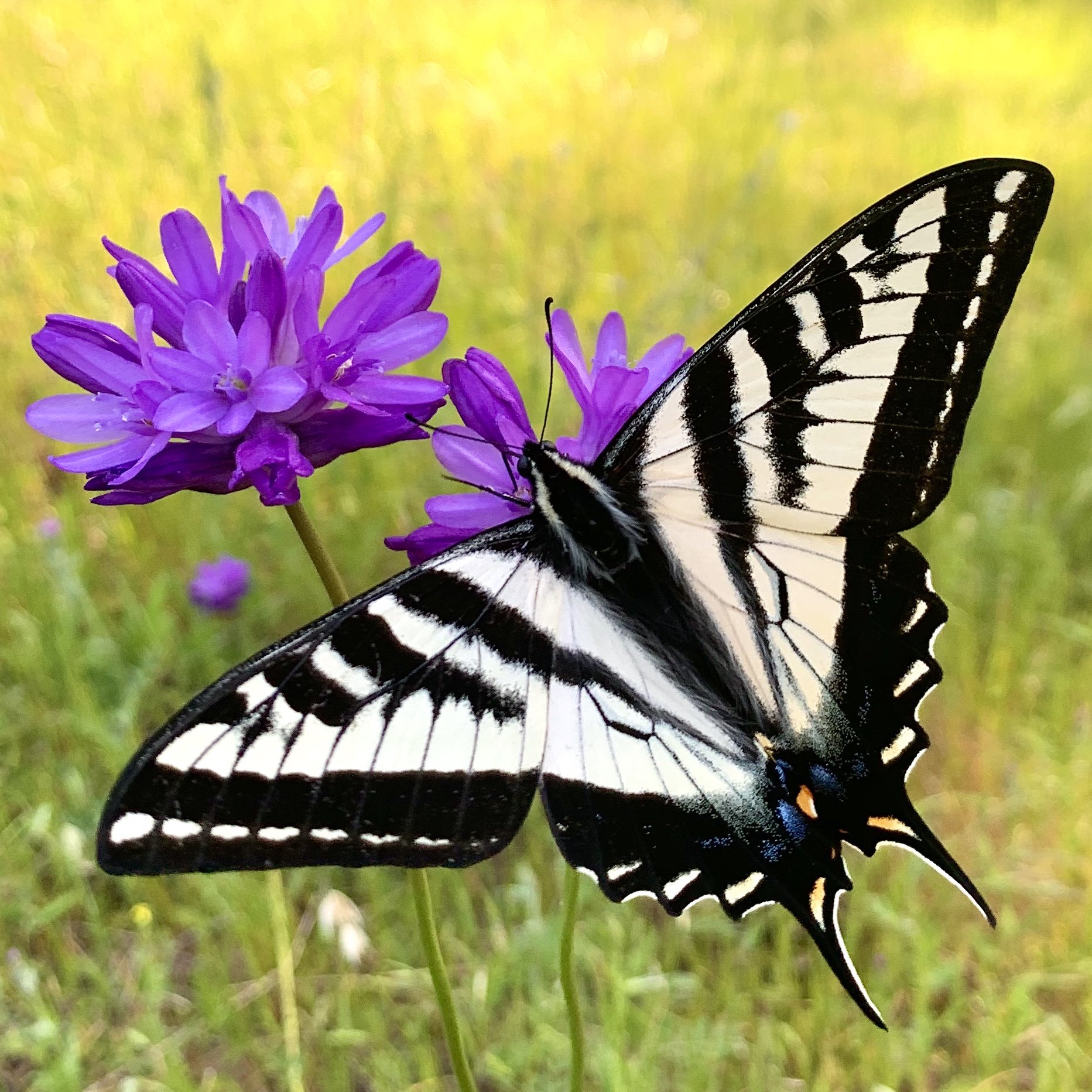
Native plants form the foundation of local food webs. Their flowers, fruits, seeds, foliage, and associated insects provide essential resources for birds, butterflies, native bees, and other wildlife.
Many insects have highly specialized relationships with particular native plants. A plant may offer nectar to an adult butterfly, for example, but only the appropriate host plant allows that butterfly to reproduce and complete its lifecycle.
Support for Local Wildlife
Use Less Water
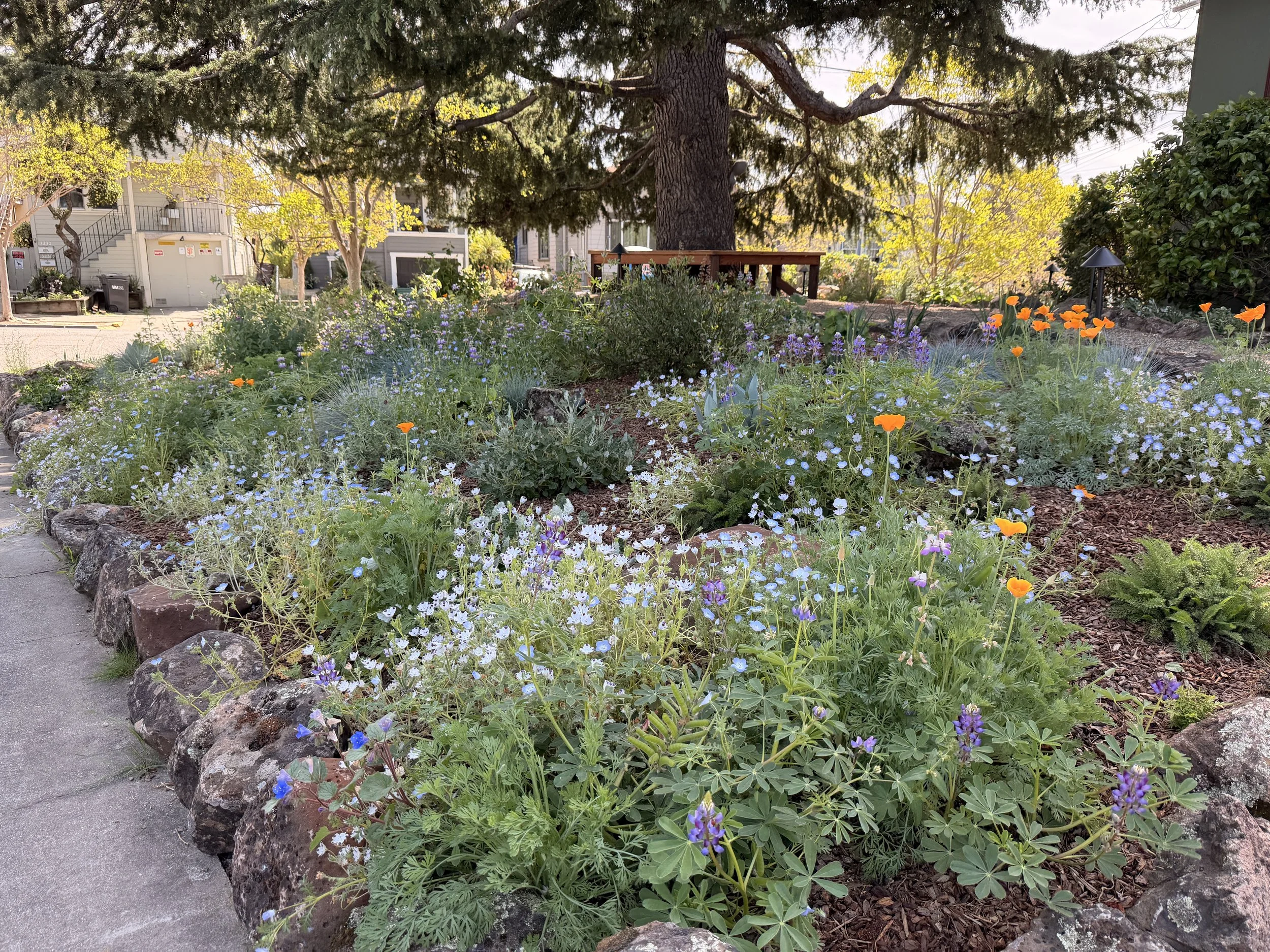
California’s climate is defined by cool, wet winters and long, dry summers. Many native plants are naturally adapted to this seasonal pattern and require significantly less summer irrigation once established.
A properly designed native garden works with the climate rather than depending on constant watering to remain healthy.
Improve Soil and Manage Water Naturally
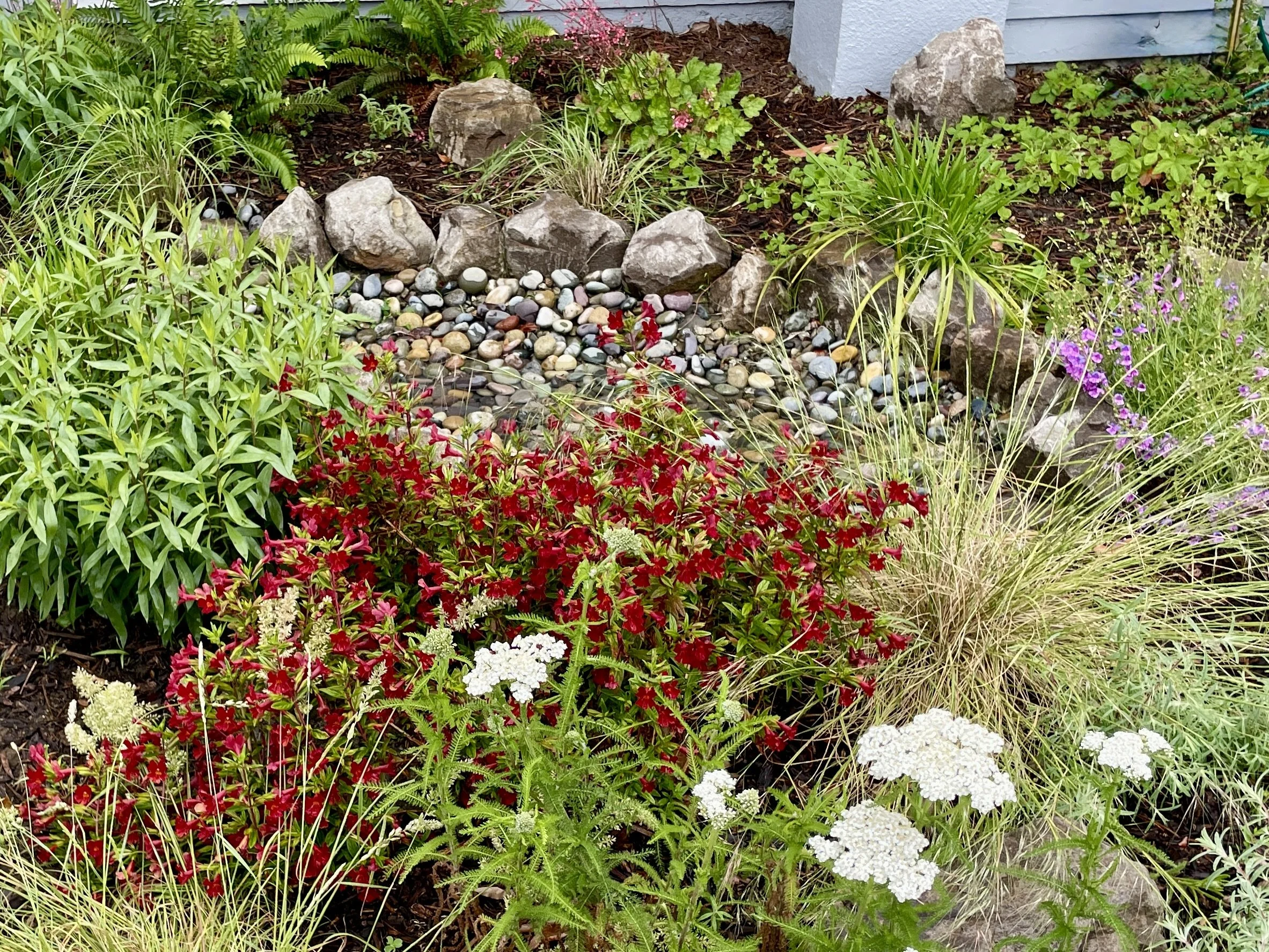
Native plant roots help hold soil, slow runoff, and increase opportunities for water to soak into the ground. Fallen leaves and other organic material protect the soil surface, support beneficial organisms, and gradually return nutrients to the landscape.
When combined with mulch, swales, rain gardens, or dry creeks, native planting can become part of a larger system for keeping rainwater on the property.
Create Beauty for People and Wildlife
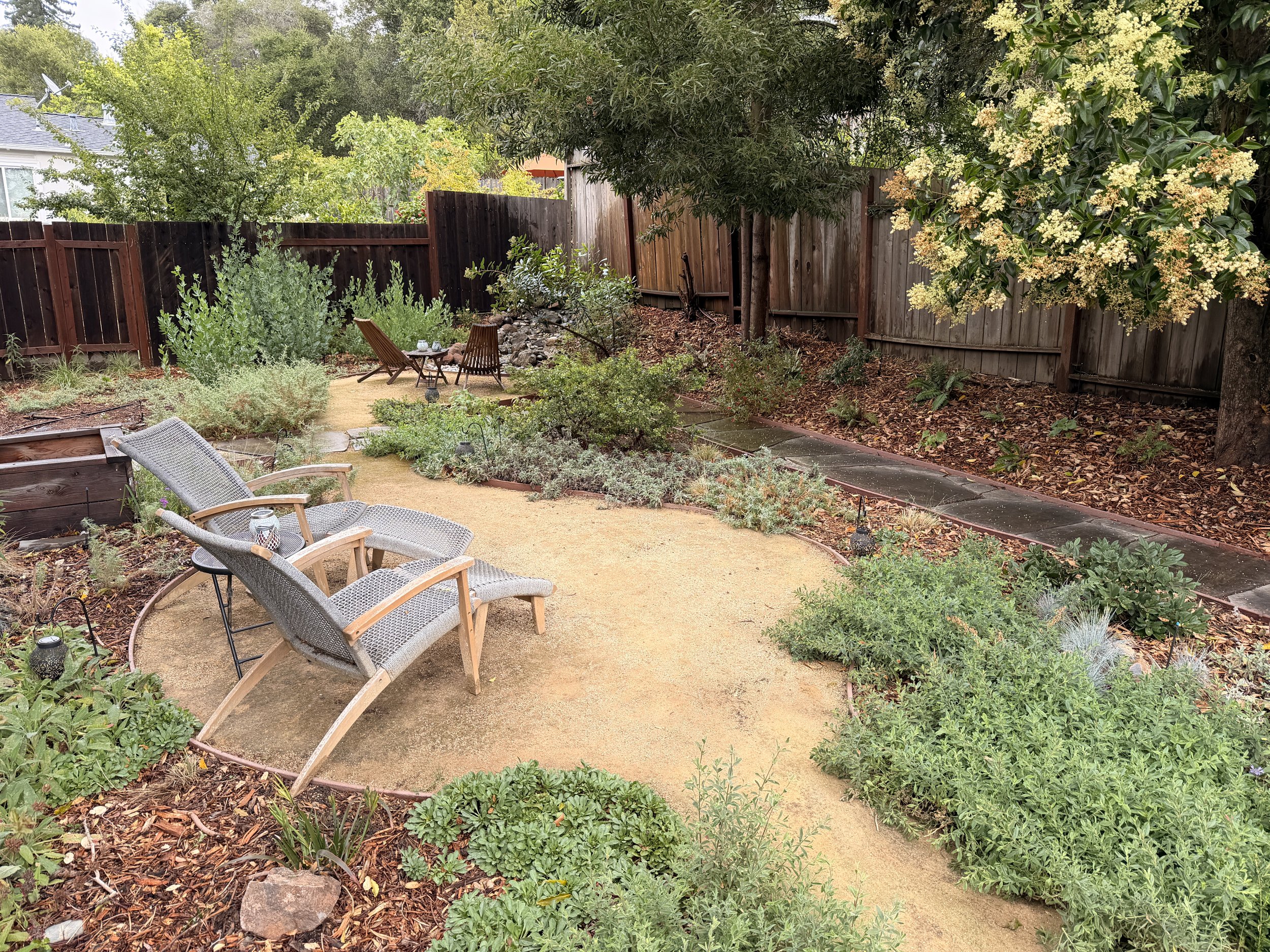
Choosing native plants does not mean giving up patios, play areas, vegetable beds, firepits, or places to entertain. Native planting can frame and enrich these spaces while maintaining clear paths, strong structure, seasonal color, and intentional design.
A well-designed native garden provides a place to gather, relax, and connect with nature—while helping restore the ecological relationships that make California unique.
Celebrate Seasonal Change
Many conventional landscapes are designed to look nearly identical throughout the year. Native gardens offer a more dynamic experience.
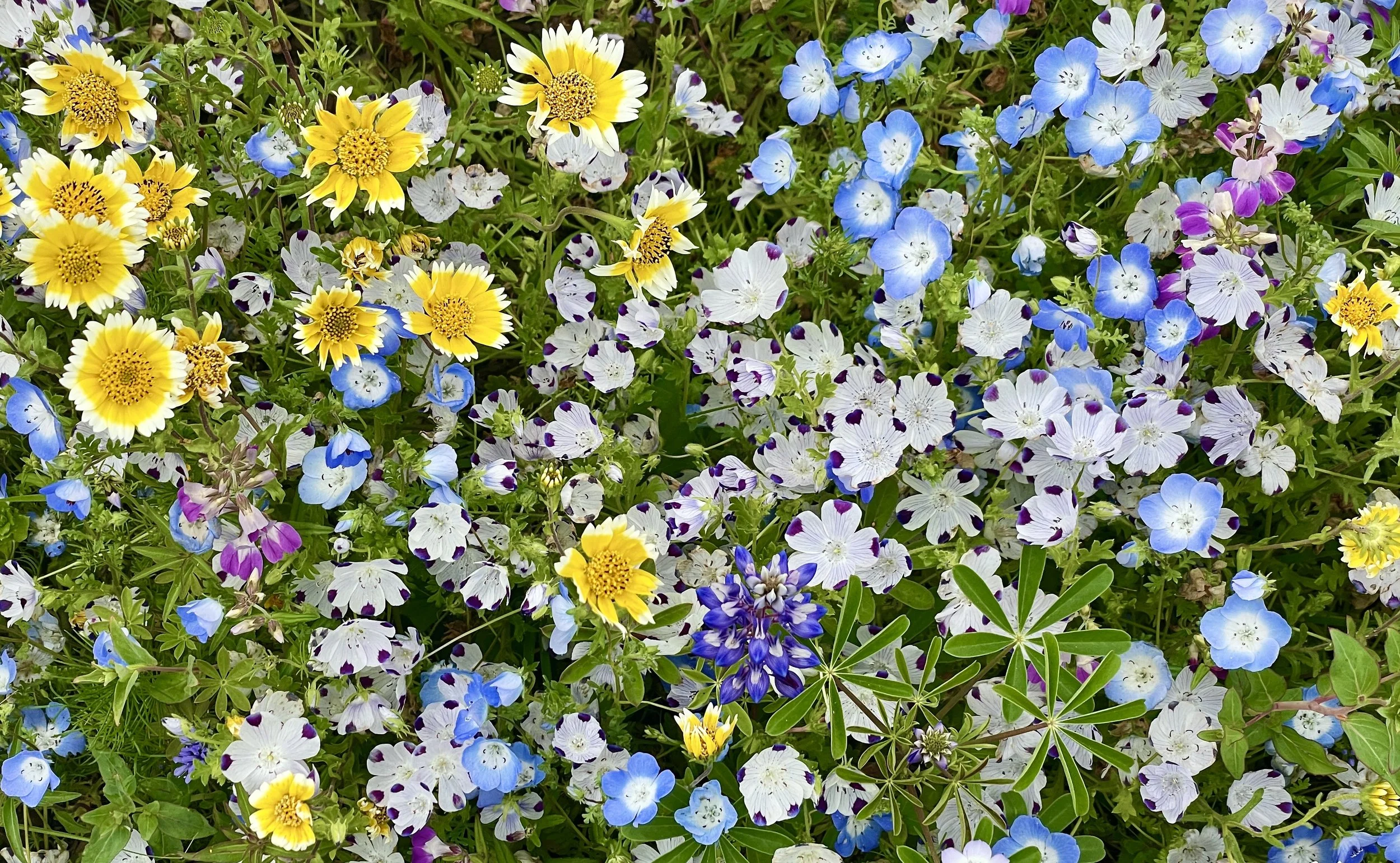
Spring flowers give way to summer seed heads, autumn color, winter berries, sculptural branching, and the return of rain. Some plants slow down or go dormant during the dry season, while others provide structure and interest year-round.
These changes are not imperfections—they are part of a living landscape.
Reduce Dependence on Fertilizers and Chemicals
Plants growing in suitable conditions are naturally better equipped to remain healthy. Many established native gardens need little or no supplemental fertilizer and can be maintained without routine pesticide use.
This reduces unnecessary inputs while creating a healthier environment for pollinators, birds, soil organisms, pets, and the people using the garden.